Photography Copyright vs. Licensing

As a creative I don’t spend a lot of time on the technical babble of my niche, but it is important to understand Photo Licences and how they differ from Copyright. (revised 2026)
What Your Brand Photography Licence Actually Covers
Most business owners book a brand photoshoot, get their gallery, and never think about copyright again. Then someone asks to use one of your images for a feature, or you want to hand a photo to a designer for a rebrand, and the question comes up: what are you actually allowed to do with these?
The short answer is that you’re licensed to use the images, not handed ownership of them. That surprises people. It shouldn’t. Once you know how it works, it’s one of the more straightforward parts of hiring a photographer.
In Canada, the Photographer Owns the Copyright
Since the Copyright Modernization Act came into force in November 2012, photographers in Canada are the default first owners of copyright on the images they create, whether the work is commissioned and paid for or not. That wasn’t always the case. Before 2012, copyright landed with whoever hired the photographer unless a contract said otherwise. The law flipped that.
This is why your contract doesn’t need to spell out that I own the copyright. It’s automatic. What the contract does need to spell out is what you’re licensed to do with the images, which is the part that actually affects your day-to-day.
Copyright and a License Are Two Different Things
Copyright is the underlying legal right to the image. It covers who can reproduce it, publish it, sell it, or license it to someone else.
A license is permission to use the image for a specific purpose, for a specific length of time, under specific terms. You don’t need to hold the copyright to get everything you need out of a photo. You need a licence that matches how you actually use your images.
This is the part that determines what your investment gets you, so it’s worth understanding the main types before you sign anything.
The Licence Types You’ll Come Across
Copyright Buyout
The most expensive option. You pay a one-time premium fee and the copyright transfers to you outright. The photographer steps back completely. They can’t use, display, or resell the images without your permission, and they lose the right to put the work in their own portfolio.
Exclusive Use
You’re the only client licensed to use these specific images in your marketing. The photographer keeps copyright and can still use the images in their portfolio, but no other client gets access to them. The terms of what “exclusive” covers are set out in the contract.
Shared Use, My Current Default
You and I both get to use the images. You have full rights to use them across your own marketing and brand presence. I retain the right to use the same images in my portfolio and my own marketing. Neither of us can resell or hand the images off to a third party.
This is where most of my brand photography clients land, and it’s the licence I lead with now.
Non-Exclusive Use
You get a licence for a set duration, and the photographer retains the copyright and the option to license the same images elsewhere. This tends to show up in ongoing content projects where images are refreshed often and cost is the deciding factor.
Why Shared Use Is the One I Recommend
A copyright buyout is a lot of money for something most brand photography clients don’t actually need. Exclusive use can work, but it locks up images you might only use for a season. Shared use sits in the middle, and it matches how brand photography actually gets used in practice.
Here’s what it gets you:
- Full use of your images across your website, social, proposals, and marketing, without a licence clock running out.
- A straightforward contract. No exclusivity negotiations, no fine print about what counts as marketing versus resale.
- Room to keep building your image library over time, without renegotiating rights every time you book a new session.
- A photographer who can still showcase the work, which is part of what keeps rates reasonable in the first place.
It’s a genuine two-way arrangement. You get everything you need for your brand. I get to show the work I made. Neither of us is giving anything up to get there.
What’s at Stake if You Skip the Licence Part
Using an image you don’t have rights to, whether it’s pulled from Google, Pinterest, or another business owner’s feed, carries real consequences. A few of the more common ones:
- Takedown requests that pull your website or posts offline with no warning.
- Legal fees or fines, sometimes for a single image.
- Platform flags or account restrictions, particularly on Instagram and Facebook.
- A credibility hit. Using someone else’s work without permission reflects on your brand, even when it wasn’t intentional.
None of this needs to be your problem. If you didn’t create an image, or you don’t have a licence for it, ask before you use it. If you need something quick that doesn’t need to be on-brand, a properly licensed stock site, not a random search result, is the safer call.
Frequently Asked Copyright Questions
Not the copyright, no. What you own is a licence that sets out how you can use them. For most clients, a shared use licence covers everything they actually need.
That depends on what your specific licence allows. A shared use licence generally covers your own marketing use. Editing is part of the photography process so any restrictions would be listed in the contract. Reselling the images or licensing them to someone else isn’t included.
That’s available as a buyout, at a higher one-time fee, and it means the photographer can no longer use those images either.
Where This Leaves You
Copyright and licensing aren’t the fine print of your photography investment. They’re the part that determines what you actually get to do with the images you paid for. A shared use licence means you get ongoing use of your gallery, and you’re not locked into terms that don’t fit how a growing business actually works.
If you’re not sure whether an image is safe to use, it probably isn’t. Stick with commissioned or properly licensed content. If you need a quick photo that does not have to be on-brand, subscribe to a site that offers permissions for stock images. They can be found in Canva or royalty free sites like Pixabay. Your brand, reputation, and peace of mind will thank you.
Ready for you next (or first) branding photoshoot in Nova Scotia? Start here
Further reading recommendations by LinkNow
Updated August, 2026 with the assistance of Claude.Ai.


For Photographers
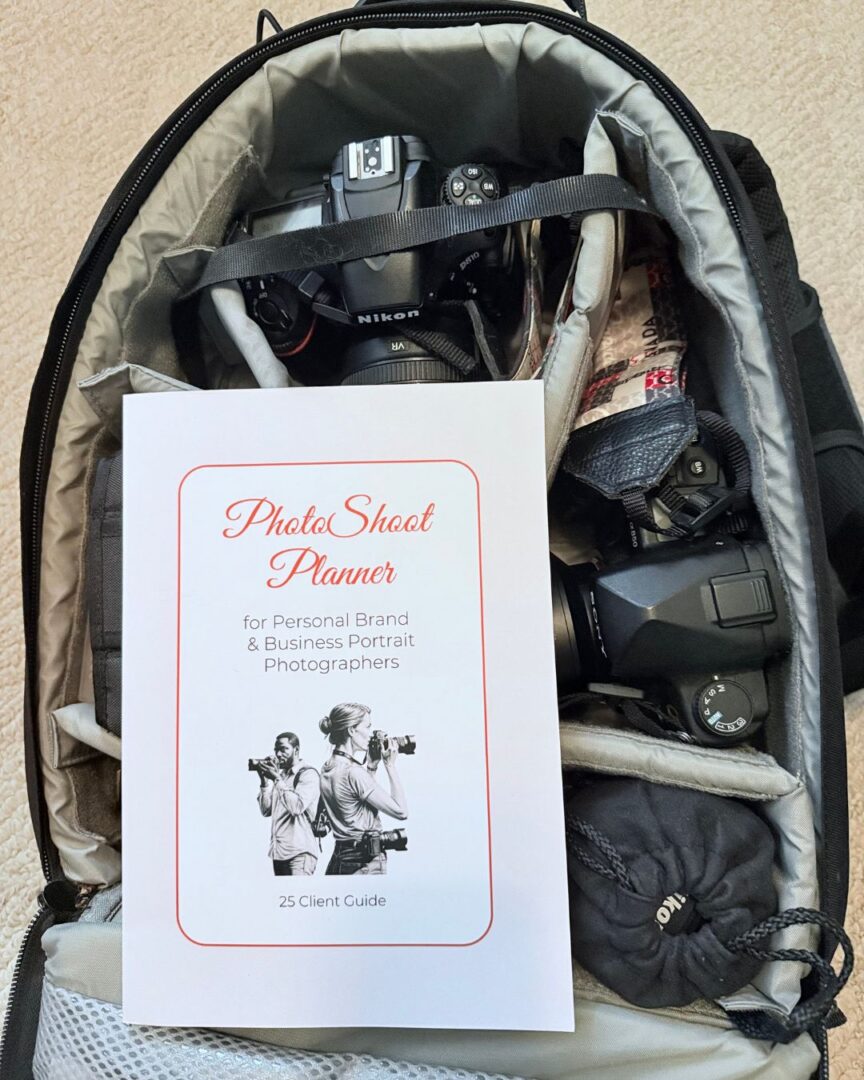
Free Download

Free Download

Member:

Center for Women in Business, Halifax

Halifax Chamber of Commerce
Volunteer:

Military Family Resource Centre

North American Indigenous Games, Halifax, 2023
Social Media Day, Halifax
Finalist, 2021

Best Photographer - Finalist